
 Morristown, NJ / Storyteller / Sep 14, 2026 /
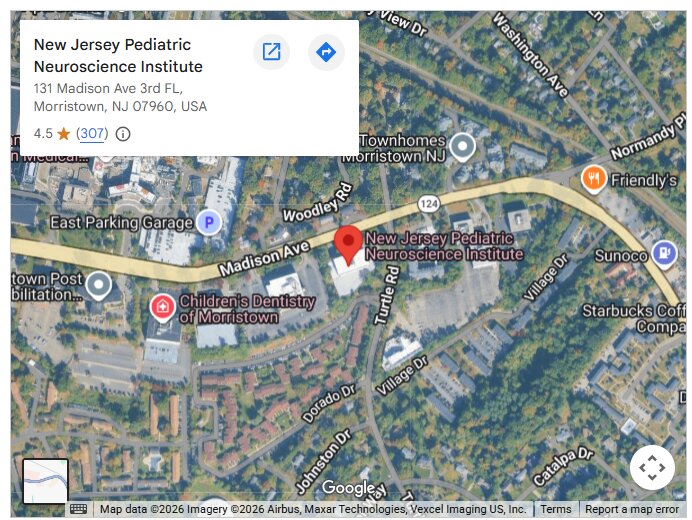
The New Jersey Pediatric Neuroscience Institute (NJPNI) has significantly expanded its clinical scope, adding new specialty programs to its existing neurology and physical therapy services to create what is now one of the most integrated pediatric neuroscience practices in the tri-state region. The practice, founded in 2008 by Catherine Mazzola, MD, FAANS, and headquartered at 131 Madison Avenue in Morristown, now provides families in New Jersey with a single destination for pediatric neurology, pediatric neurosurgery, physical therapy, nutrition, play therapy, speech therapy, social work, genetic counseling, clinical pharmacy, and quantitative EEG (QEEG) neurofeedback, interconnected disciplines that rarely share a roof outside of major academic children’s hospital systems.
The expansion reflects both a clinical philosophy and a practical response to what families with children facing neurological conditions have consistently experienced: fragmented care, long waits for subspecialists, and the burden of coordinating between disconnected providers. NJPNI’s model is built on the premise that when the neurologist, the therapist, the genetic counselor, the pharmacist, and the brain mapping specialist all have access to the same patient picture and can communicate directly, the quality and speed of care meaningfully improve.
“Our goal has always been to make it easier for families to access the specialized care their children need. By bringing neurology, neurosurgery, rehabilitation and other supportive services together, our providers can communicate more closely and families can spend less time navigating disconnected systems of care,” said Dr. Catherine Mazzola, MD, FAANS, pediatric neurosurgeon at NJPNI.
A Practice Built Around the Whole Child
NJPNI was established to address a gap in access to fellowship-trained pediatric neurologist expertise across New Jersey. Since then, it has grown to a team of more than 30 clinicians – including board-certified pediatric neurologists, pediatric neurosurgeons, advanced practice nurses, licensed therapists, registered dietitians, a clinical pharmacist, a genetic counselor, a QEEG specialist, and licensed clinical social workers – operating across six offices in Morristown, Hackensack, Hamilton, Garwood, Hazlet, and Rockaway.
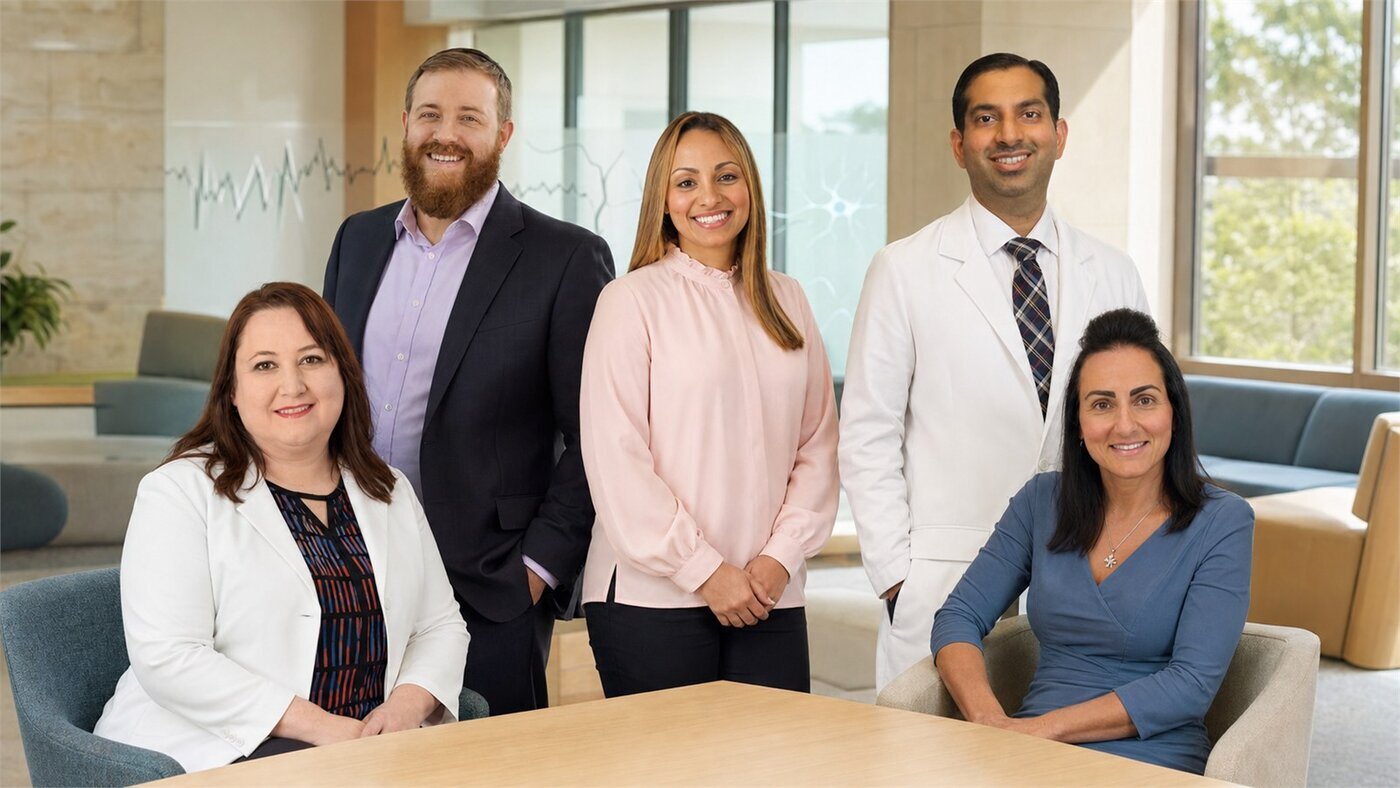
The practice’s neurology team includes Jeffrey Kornitzer, MD, FAAN, an Assistant Professor at Rutgers New Jersey Medical School and a board-certified pediatric neurologist with expertise in ADHD, autism, and complex pediatric neurological conditions; Sohum Trivedi, MD, an epilepsy specialist and pediatric epileptologist who has led continuing medical education (CME) programs on febrile seizures and genetic epilepsy syndromes; Janti Chaaban, MD, a pediatric neurologist with specialty training in epilepsy; Leyda Sanchez-Ortiz, MD, a pediatric epilepsy specialist with expertise in seizure evaluation and EEG interpretation; and Nizar Souayah, MD, FAAN, FAANEM, FANA, a specialist in neuromuscular disease. Nearly a dozen nurse practitioners and physician assistants also provide care across the practice’s pediatric neurology services. Gurpreet Seehra, MD, will join the neurology team this fall, bringing advanced training in clinical neurophysiology.
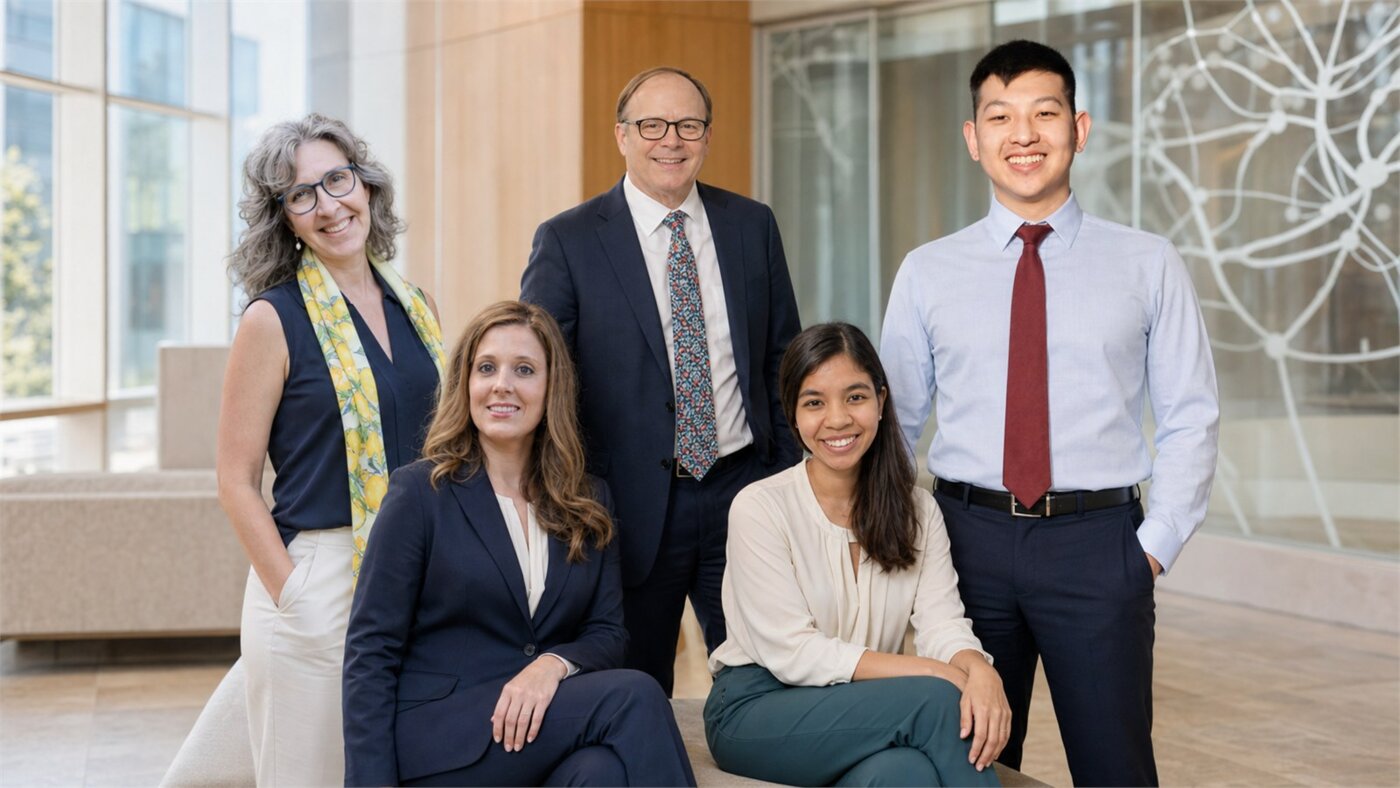
The practice’s neurosurgery side includes Catherine A. Mazzola, MD, FAANS, John Collins, MD, FAANS, and Mandana Behbahani, MD, a pediatric neurosurgeon with expertise in complex pediatric neurological conditions, this October.
Multiple Specialties, One Integrated Program
Pediatric Neurology. At the core of NJPNI’s clinical model is its pediatric neurology treatment and broader neurology program, which treats the full spectrum of childhood brain and nervous system conditions, including epilepsy and seizure disorders, headaches and migraines, autism spectrum disorder, ADHD, concussions, cerebral palsy, tics and Tourette syndrome, neuromuscular disorders, and autonomic dysfunction. In-house EEG capabilities, including both routine 1-hour and overnight studies, allow the team to move from clinical concern to confirmed diagnosis without external referral delays. NJPNI also operates dedicated subspecialty centers for epilepsy, concussion, cerebral palsy and spasticity, movement disorders, hydrocephalus, and brain tumors.
“Children with neurological conditions often need more than one type of specialist involved in their care. Having neurology, diagnostic services and other specialties working within the same practice allows us to communicate more directly and develop a more coordinated approach for each child,” said Jeffrey Kornitzer, MD, FAAN, pediatric neurologist at NJPNI.
Pediatric Neurosurgery: NJPNI’s pediatric neurosurgery program provides specialized evaluation and surgical treatment for conditions affecting the brain, spine, and peripheral nerves, including hydrocephalus, brain and spinal tumors, craniosynostosis, Chiari malformation, epilepsy, spina bifida, tethered spinal cord, and vascular malformations. Led by pediatric neurosurgeons Catherine Mazzola, MD, FAANS, and Mandana Behbahani, MD, the program combines surgical expertise with NJPNI’s broader multidisciplinary model, allowing neurosurgeons to work alongside neurologists, therapists, and other specialists throughout diagnosis, treatment, and follow-up care. NJPNI’s pediatric neurosurgery program also provides outpatient clinic coverage at Hackensack Meridian Health JFK University Medical Center in Edison and University Hospital in Newark, further expanding access to specialized pediatric neurosurgical care across New Jersey.
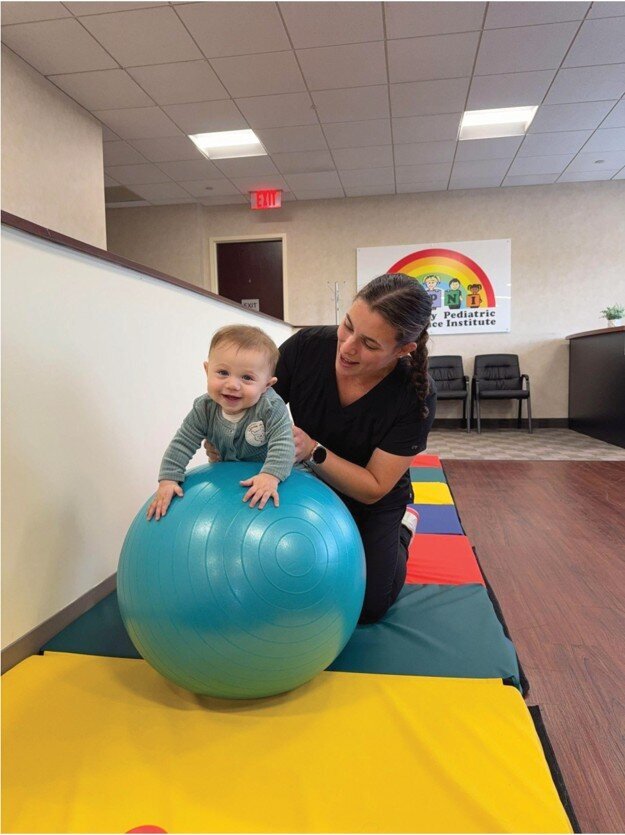
Pediatric Physical Therapy. Many neurological conditions in children have direct motor consequences, such as weakness, coordination problems, gait abnormalities, or developmental delays in movement. NJPNI’s physical therapy program, led by Giana Giorello, PT, DPT, and Jhoanna Rae L. Marquez, PT, DAc, INHC, is integrated directly with the neurology team rather than operating as a separate referral destination. Children with cerebral palsy, post-concussion syndrome, traumatic brain injury, or neuromuscular disease transition into physical therapy with the therapist already briefed on the neurological diagnosis, eliminating the communication gaps that commonly slow rehabilitation in traditional care pathways.
Pediatric Genetic Counseling. A meaningful proportion of childhood epilepsy syndromes, autism spectrum disorder, intellectual disability, and neuromuscular conditions have identifiable genetic underpinnings. NJPNI’s genetic counseling program, led by led by Jillian Kirk, CGC, and Juliet Young, CGC (Certified Genetic Counselors), helps families navigate the clinical decision around genetic testing, identifying when it is warranted, interpreting results in the context of the child’s full presentation, and explaining implications including recurrence risk in plain, compassionate language. A genetic diagnosis can directly redirect treatment: certain antiseizure medications, for example, can worsen outcomes in specific genetic epilepsy syndromes, making accurate genetic identification a clinical priority rather than an academic one.
Pediatric Clinical Pharmacy. Children with complex neurological conditions are among the most pharmacologically sensitive patients in medicine. NJPNI’s clinical pharmacy program, led by Tzipora Lutsky, PharmD, embeds a dedicated clinical pharmacist within the care team to review medication regimens, monitor for adverse effects, counsel families on administration and adherence, and integrate pharmacogenomic testing into prescribing decisions. Pharmacogenomic testing, which analyzes how a child’s genetic makeup affects drug metabolism, helps reduce the trial-and-error cycle that families with children on antiseizure medications, stimulants, or immunosuppressants so commonly experience.
Pediatric Nutrition: Nutrition can play an important role in a child’s neurological health, growth, and development. NJPNI’s pediatric nutrition program, led by Heather Marretta, MS, RDN, and Dakota Reza, RDN, provides individualized nutrition plans designed around each child’s medical needs, preferences, and family routines. The program supports children with selective eating and food aversions, sensory-related feeding concerns, weight-management needs, and nutritional challenges associated with conditions such as ADHD, autism, and headaches, with an emphasis on practical, evidence-based strategies families can use at home
Play Therapy: Children experiencing neurological or developmental conditions may also face anxiety, difficulty with emotional regulation, behavioral concerns, or other challenges that affect daily life. NJPNI’s child-centered play therapy services, led by Avrohom Blesofsky, LCSW, CCPT, give children and adolescents a developmentally appropriate setting to express emotions, strengthen self-regulation, build confidence, and develop healthier coping skills. Blesofsky also works collaboratively with parents, educators, and members of the child’s broader care team to provide consistent, individualized support.
Social Work: NJPNI’s social work services extend care beyond the medical aspects of a child’s diagnosis, helping families address the behavioral, organizational, educational, and family challenges that can accompany neurological and developmental conditions. Tia S. Davis, LCSW, ADHD-CCSP, specializes in executive function coaching for children and adolescents with ADHD, with a focus on skills including planning, organization, time management, and self-regulation. Her work also includes parent training, family education and support, behavioral and developmental assessments, and coordination with schools and educational teams.
Pediatric QEEG and Neurofeedback. The newest addition to NJPNI’s program is its quantitative EEG (QEEG) and neurofeedback center, led by Tammy Zigarelli, QEEG Technician. Unlike a standard EEG, which records brainwave activity and is interpreted qualitatively for abnormal patterns, QEEG computes frequency and amplitude data across multiple brain regions and compares the results against a normative database of same-age peers, producing a detailed brain map that can surface dysregulation patterns relevant to ADHD, post-concussion recovery, anxiety, and sleep disorders. Neurofeedback, in which children learn to modulate their own brainwave activity through real-time feedback typically delivered as an interactive game, is used alongside QEEG as part of a broader, evidence-informed care plan.
Serving New Jersey Families Across Six Offices
NJPNI’s six-office footprint spanning Morris, Bergen, Mercer, Union, and Monmouth counties is a deliberate response to the access problem that has historically made pediatric neuroscience subspecialty care available primarily to families living near major urban academic medical centers. The practice accepts most major insurance plans and offers telemedicine for follow-up visits. The practice’s continued growth is also reflected at its Morristown headquarters, where NJPNI is expanding its footprint at 131 Madison Avenue to include additional space on the building’s second floor. New and established patients can reach the practice at (973) 326-9000 or submit an appointment request online at www.njpni.com.
Beyond these services, NJPNI also offers dedicated programs in craniofacial surgery, craniosynostosis treatment, brachial plexus and peripheral nerve care, and spina bifida, further supporting a continuum of pediatric neuroscience care from diagnosis and therapy through surgical treatment.
The practice also maintains hospital affiliations across northern and central New Jersey, enabling seamless coordination when a child’s condition requires inpatient evaluation or surgical intervention.
Education, Research, and Community
NJPNI’s clinical mission extends into medical education. Dr. Sohum Trivedi, a pediatric neurology specialist and pediatric epileptologist, has participated in CME events focused on febrile seizures and genetic epilepsy syndromes, areas where earlier and more accurate diagnosis by community physicians can meaningfully reduce the time between a child’s first seizure and appropriate subspecialty evaluation. Faculty at NJPNI hold academic appointments at Rutgers New Jersey Medical School, supporting the connection between clinical practice and academic medicine that is increasingly recognized as a marker of quality in specialty care.
Research remains another important part of that mission. Most recently, NJPNI founder Dr. Catherine Mazzola co-authored “Assessing Pediatric Frailty: Use of the Surgical Complication Index for Pediatric Patients (SCIPP) Score to Predict Adverse Outcomes Following Thoracic Surgery,” published in the Journal of Pediatric Surgery in July 2026. The study examined the use of the SCIPP score as a tool for identifying pediatric patients at greater risk for postoperative complications and prolonged hospital stays.
NJPNI also supports nonprofit organizations that serve children and families with complex medical and developmental needs, including The Valerie Fund, Push to Walk, the Spina Bifida Resource Network, and Healing the Children. These partnerships reflect the practice’s broader commitment to supporting children and families both within and beyond the clinical setting.
What Expansion Means for Families
For a family whose child has just been diagnosed with epilepsy, the practical value of NJPNI’s integrated model is concrete: the pediatric seizure care team manages the diagnosis and medication; the genetic counselor determines whether a genetic etiology exists and what it means for treatment; the clinical pharmacist monitors the medication for side effects and metabolic fit; and the physical therapist addresses any motor effects of seizure activity or medication. When additional services such as QEEG or neurofeedback are appropriate, they are available within the same practice and coordinated by clinicians who understand the child’s broader medical history.
That level of coordination standard in inpatient academic settings, rare in outpatient community care, is what NJPNI’s expansion has been designed to bring to families across New Jersey who cannot, or should not have to, travel to a major children’s hospital system for integrated pediatric neuroscience care.
About New Jersey Pediatric Neuroscience Institute
New Jersey Pediatric Neuroscience Institute (NJPNI) is a leading pediatric neuroscience practice dedicated to providing comprehensive, coordinated care for children with neurological and developmental conditions. Founded in 2008 by Catherine Mazzola, MD, FAANS, NJPNI brings pediatric neurology, neurosurgery, rehabilitation, genetic counseling, nutrition, therapy, clinical pharmacy, and other specialized services together under one integrated model. With six locations across New Jersey and statewide telemedicine, NJPNI is committed to making specialized pediatric neuroscience care more accessible to children and their families.
###
Media Contact
New Jersey Pediatric Neuroscience Institute
Jennifer Adams
131 Madison Ave, 3rd Floor Morristown, NJ 07960
973-326-9000
jadams@njpni.com
https://njpediatricneurosurgery.com/
Facebook: https://www.facebook.com/njpni/
Instagram: https://www.instagram.com/njpni/
YouTube: https://www.youtube.com/c/NJPNI
Disclaimer: This press release is provided for general informational purposes only and should not be considered medical or healthcare advice. Treatment recommendations and outcomes vary based on each patient’s individual condition and clinical circumstances.
