
Daytona Beach, FL – October 28, 2026 – PRESSADVANTAGE –
Collision Care Xpress has published consumer guidance explaining how vehicle owners can care for newly refinished surfaces after collision repair. The October publication focuses on three considerations following refinishing work: allowing repaired surfaces to progress through the appropriate post-refinish period, using suitable cleaning practices, and understanding when additional paint-protection products may be considered.
The guidance expands on Collision Care Xpress’s auto body repair services by addressing what happens after damaged panels have been repaired and refinished. Collision repair can restore the appearance of affected body areas, but newly refinished surfaces can benefit from appropriate care after the vehicle leaves the repair facility.
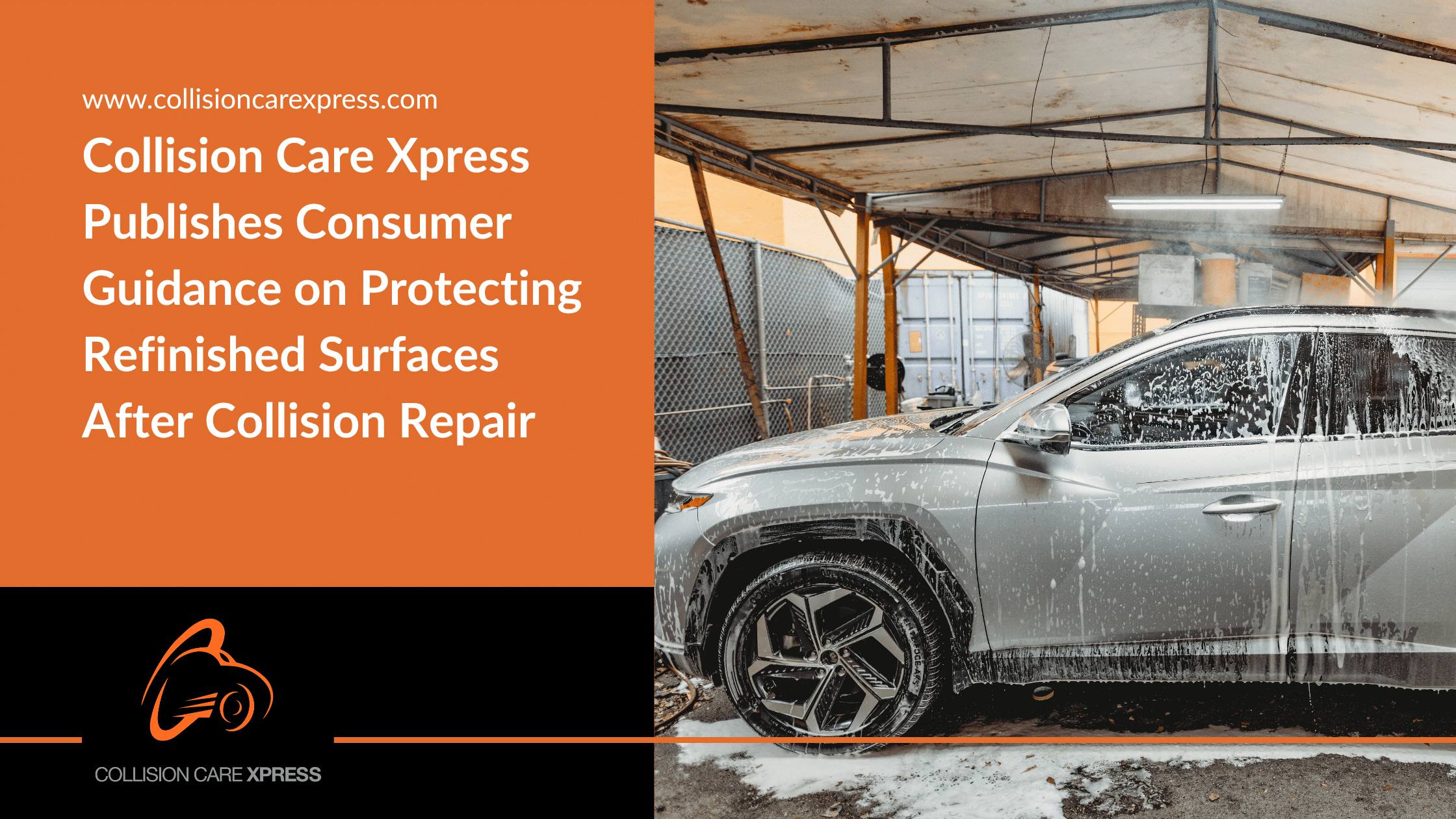
Automotive refinishing is a multi-step process that can involve surface preparation, refinishing materials, color application, clearcoat, and controlled curing procedures depending on the repair and products used. Once the refinishing process is completed, the repaired surface may look finished to the vehicle owner, while care recommendations can still apply during the period that follows.
The first area addressed in the October guidance is the period immediately after refinishing. Vehicle owners should follow the specific care instructions provided for the materials and procedures used on their vehicle rather than assuming that every refinished surface has identical requirements.
Environmental exposure is one consideration during this period. Bird droppings, tree sap, insects, road contaminants, and other substances can remain on a vehicle surface and may become more difficult to address if left in place.
The publication encourages consumers to treat fresh refinishing carefully rather than aggressively scrubbing a contaminated area. Appropriate cleaning methods can depend on the type of contaminant, the refinishing materials used, and how recently the repair was completed.
Washing practices form the second part of the guidance. Keeping a repaired vehicle clean can help prevent dirt and contaminants from accumulating, but newly refinished surfaces should be handled according to the post-repair instructions applicable to the vehicle.
Harsh scrubbing, abrasive cleaning products, or other aggressive methods can affect automotive finishes. Consumers can instead use appropriate automotive cleaning products and techniques while following any specific instructions provided by the repair facility.
The guidance also explains why generalized waiting periods found online should not automatically replace instructions associated with the actual repair. Refinishing products, application procedures, environmental conditions, and curing processes can differ. Recommendations for washing, polishing, waxing, or applying another surface product should therefore reflect the materials and procedures used on the vehicle.
Collision Care Xpress’s collision repair services provide additional context for the broader repair process that occurs before the vehicle reaches this stage. Refinishing is one part of restoring collision-damaged exterior areas after the necessary repair operations have been completed.
The October publication also distinguishes normal surface care from correcting a collision repair concern. Cleaning and protecting a refinished panel are maintenance considerations. They are not substitutes for evaluating an unexpected condition associated with the repaired area.
Vehicle owners who notice an unexpected change in a recently repaired surface can document the condition rather than immediately attempting aggressive polishing or another corrective treatment. This helps preserve useful information about the condition before additional products or processes are applied.
Optional paint protection forms the third part of the October guidance. Wax, sealants, ceramic coatings, and paint protection film are separate from the collision refinishing process itself. These products can serve different purposes and should not be treated as interchangeable.
Paint protection film provides a physical protective layer over selected exterior surfaces, while ceramic coatings are designed to create a protective surface layer with different maintenance characteristics. Neither product changes the underlying collision repair that was performed.
Timing is particularly important when considering additional protection over a recently refinished area. The appropriate interval before applying a coating, film, wax, or similar product can depend on the refinishing system and product requirements. Vehicle owners should follow recommendations applicable to the completed repair before adding another material over the refinished surface.
Collision Care Xpress provides additional information about paint protection film and ceramic coating for consumers interested in understanding these optional forms of exterior protection.
The October guidance also addresses a distinction that can sometimes be overlooked after collision repair. A newly refinished panel and the vehicle’s older original finish may not have identical maintenance histories. Previous waxing, polishing, environmental exposure, and existing protection products can differ across the vehicle.
For that reason, post-repair care can include understanding which areas were refinished and following the appropriate instructions for those surfaces. Consumers do not need to assume that every exterior panel requires the same immediate treatment simply because the vehicle has returned from collision repair.
The publication does not establish a universal number of days before washing, waxing, polishing, coating, or applying film. Instead, it emphasizes following recommendations associated with the specific refinishing materials and repair procedures used on the vehicle.
This approach gives Daytona Beach drivers a practical framework for caring for repaired surfaces without relying on a single rule for every collision repair. The first priority is understanding the instructions for the newly refinished area, followed by appropriate cleaning and maintenance and, when desired, consideration of compatible protective products at the appropriate time.
Collision Care Xpress provides collision repair and auto body repair services for drivers in Daytona Beach and other Florida communities. The company also provides exterior protection options for vehicle owners seeking additional surface protection after applicable refinishing requirements have been satisfied.
###
For more information about Collision Care Xpress – Daytona Beach, contact the company here:
Collision Care Xpress – Daytona Beach
Robert Molina
386-267-0904
dbservice@collisioncarexpress.com
418 N Segrave St, Daytona Beach, FL 32114
