

Key Takeaways
- Natural flea prevention for cats works best when several safe methods are layered together, rather than relying on a single product to do all the work
- A flea comb used at the neck, armpits and base of the tail can pull out live fleas and flea debris, especially when dipped in soapy water between strokes
- Wearable options create a safer way to deploy scent-based deterrents
- Most of a flea population lives in the home environment rather than on the cat, which is why vacuuming and washing bedding matter as much as treating the pet
- Permethrin is considered deadly for cats and should never be used on or around them, even though it appears in some dog flea products
- Knowing when a flea problem has gone beyond home care is worth understanding before an infestation takes hold
Fleas are stubborn little pests, and cat owners who want to keep things natural often feel caught between two bad options: harsh chemical treatments or remedies that do not really work. The good news is that a layered approach, rather than a single miracle fix, tends to deliver the best results while keeping cats safe. This means pairing cat-safe prevention with regular grooming checks, consistent home cleaning and a clear understanding of which popular remedies are actually risky.
Why Layering Beats One Quick Fix
No single flea product or home remedy can address every stage of a flea infestation on its own. Fleas live on a cat’s body for only part of their life cycle, which means treating the cat alone leaves the rest of the problem sitting all around their bed and home. A layered strategy spreads the work across several fronts: checking and grooming the cat, cleaning the home thoroughly, and using cat-safe deterrents where appropriate.
Understand the Flea Life Cycle First
Fleas do not simply appear and disappear after a single bath or spray. Their life cycle plays out across weeks or months, hidden mostly out of sight, which is exactly why a combined approach outperforms any quick fix. Fleas move through four stages:
- egg
- larva
- pupa
- adult.
A female flea can lay between 25 and 50 eggs per day, and those eggs drop off the cat into carpets, bedding and furniture almost immediately. This is the first clue as to why fleas seem to multiply so quickly once they take hold in a home. Furthermore, they can remain dormant for up to six months which explains why a flea problem can seem to disappear and then suddenly reappear weeks or months later. And why a single treatment rarely finishes the job.
Checking and Combing Your Cat
Regular physical checks are one of the simplest and most reliable ways to catch a flea problem early, before it spreads through the home. Daily brushing gives an opportunity to spot fleas, flea dirt or skin irritation while it is still manageable.
Where to Look: Neck, Armpits and Tail Base
Fleas tend to gather in warm, protected areas of a cat’s body. Cats Protection recommends checking the neck, armpits and the base of the tail during daily brushing sessions, as these spots are where fleas most often hide.
Using a Flea Comb the Right Way
A fine-toothed flea comb can physically remove adult fleas, flea eggs and flea dirt from a cat’s coat, serving as both a useful diagnostic tool and a treatment method. To use one effectively:
- Start at the head and work through the entire coat in sections, rather than rushing through just once
- Pay close attention to the neck, armpits, underbelly and base of the tail, where fleas cluster
- Dip the comb into a bowl of soapy water after each stroke to drown any fleas or eggs caught in the teeth
- Check the debris on a white tissue; flea dirt will often turn a reddish-brown colour when dampened, which helps confirm what has actually been collected
Combing alone will not solve an infestation, since most fleas and their offspring live off the cat. It remains a valuable way to monitor whether a problem exists and how a prevention routine is working.
Cleaning Your Home, Not Just Your Cat
Because so much of the flea life cycle plays out in carpets, furniture and bedding, home cleaning deserves just as much attention as grooming the cat. Skipping this step is one of the most common reasons flea problems keep coming back. Naturally prevent their return by:
- Vacuuming carpets, furniture and crevices
- Washing clothing and bedding in hot water
- Mowing the lawn and clearing garden debris regularly. Keeping outdoor areas tidy complements the indoor cleaning routine rather than replacing it.
Collar Stickers and Scented Deterrents
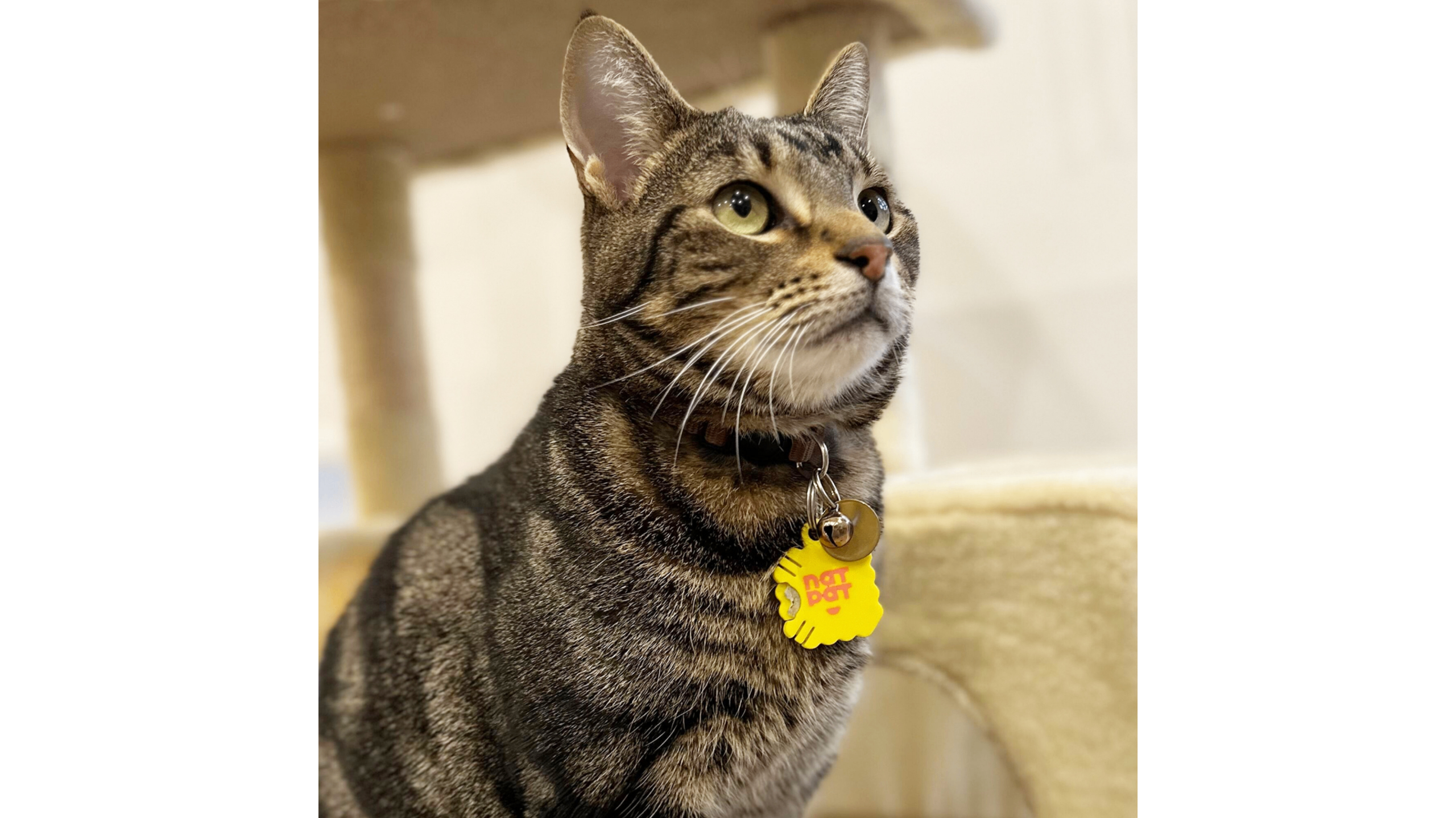
Scented deterrents attached to a collar or harness offer a way to add a layer of protection without applying anything directly to a cat’s skin or fur. Pet stickers, like those developed by Australian brand NatPat, that clip onto a collar, harness or specially designed pet locket can diffuse essential oils for roughly 8 to 12 hours. This is a cat-friendly alternative to sprays or treatments that need to be applied directly to the skin.
This kind of wearable, clip-on approach fits naturally into the broader layered strategy, since it works alongside grooming and cleaning rather than replacing them.
When choosing any scented collar product for a cat, it helps to look for options specifically designed with feline safety in mind, since cats process certain ingredients very differently to dogs. Fit also matters: a collar attachment should sit comfortably and securely without restricting movement or causing irritation around the neck.
Remedies to Avoid Around Cats
Not every natural-sounding remedy is actually safe for cats. Some popular suggestions carry real risks that are worth understanding before trying them at home.
Essential Oils: Groomers Can Ingest What They Wear
Cats groom themselves constantly, which means anything applied to their fur is likely to end up in their mouths. Because cats can be sensitive to essential oils and may ingest them while grooming, applying essential-oil blends directly to a cat’s coat or skin is best avoided. This differs from products specifically designed to diffuse scent from a collar or harness without touching the skin, which keeps the oils away from a cat’s grooming routine.
Diatomaceous Earth and Borax Carry Real Risks
Diatomaceous earth is sometimes recommended as a natural pest control powder, but it should not be inhaled, and it should not be used anywhere a pet might breathe in the fine powder. Borax, another household remedy sometimes suggested for carpets, should never be applied directly to a cat’s skin, as it can cause irritation. Both substances may have a place in general home pest control, but they are not appropriate for direct use on a cat.
Permethrin: Why It Can Be Deadly for Cats
Permethrin deserves the strongest warning of all. Though it originates from chrysanthemum flowers and is often marketed as a natural pesticide, permethrin can be deadly to cats and should never be used on or around them.
When Home Methods Aren’t Enough
Even a well-run layered routine has its limits. A severe infestation, a cat showing signs of flea allergy dermatitis, or simple uncertainty about how to proceed are all good reasons to speak with a veterinarian rather than continuing to experiment at home. A vet can assess the situation properly and recommend treatment options suited to that specific cat’s health and circumstances.
There is no shame in reaching this point. Fleas are resilient, and an infestation that has had weeks to establish itself in a home may need professional-grade treatment to fully break the cycle. Recognizing this moment early, rather than persisting with home methods indefinitely, tends to resolve the problem faster and with less stress for everyone involved.
The Layered Approach Protects Cats Best
Pulling these pieces together paints a clear picture: natural flea prevention for cats works best as a system, not a single product. Daily checks and flea combing catch problems early, thorough vacuuming and hot-water washing tackle the eggs and larvae hiding in the home, and cat-safe scented deterrents add another layer of protection without the risks that come with essential oils applied directly to skin, diatomaceous earth inhalation, borax irritation or permethrin poisoning.
Knowing when to call in a veterinarian rounds out the whole picture, so home care and professional guidance work together rather than existing as separate options. For a practical starting point, consider pairing consistent grooming and cleaning habits with cat-safe flea prevention designed with feline sensitivities in mind.
NatPat
Melbourne
Melbourne
Victoria
3000
Australia
