
Alex Photo Stock // Shutterstock
Parents say Roblox âparental controlsâ arenât enough: What new data reveals
Parental controls are often promoted as a safety net for families, but growing evidence suggests they may not adequately protect children on major gaming platforms. New research from A Case for Women, a women-led U.S. legal advocacy organization, highlights growing parental concerns about the effectiveness of these tools.
Key Findings:
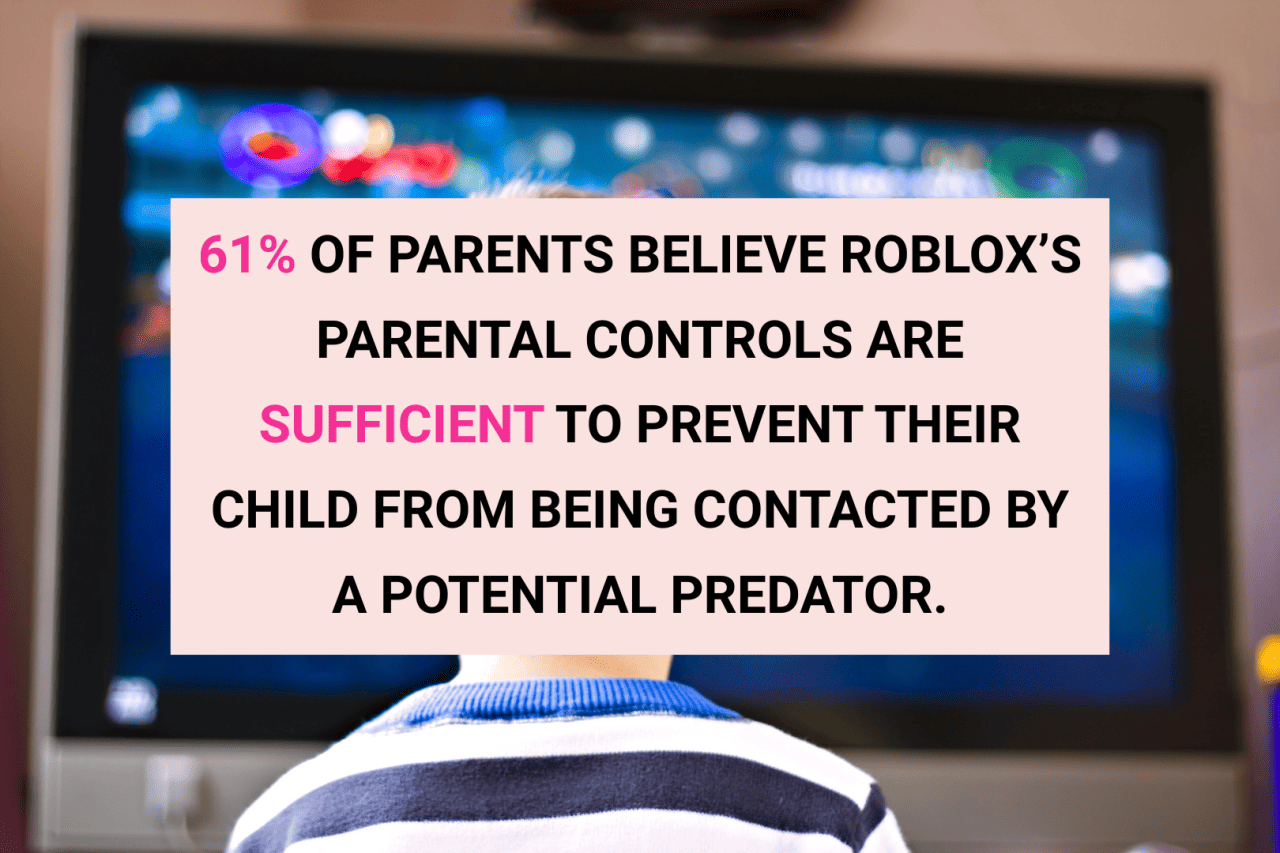
- Only 61% of parents or guardians believe Robloxâs parental controls are sufficient to prevent their child from being contacted by a potential predator.
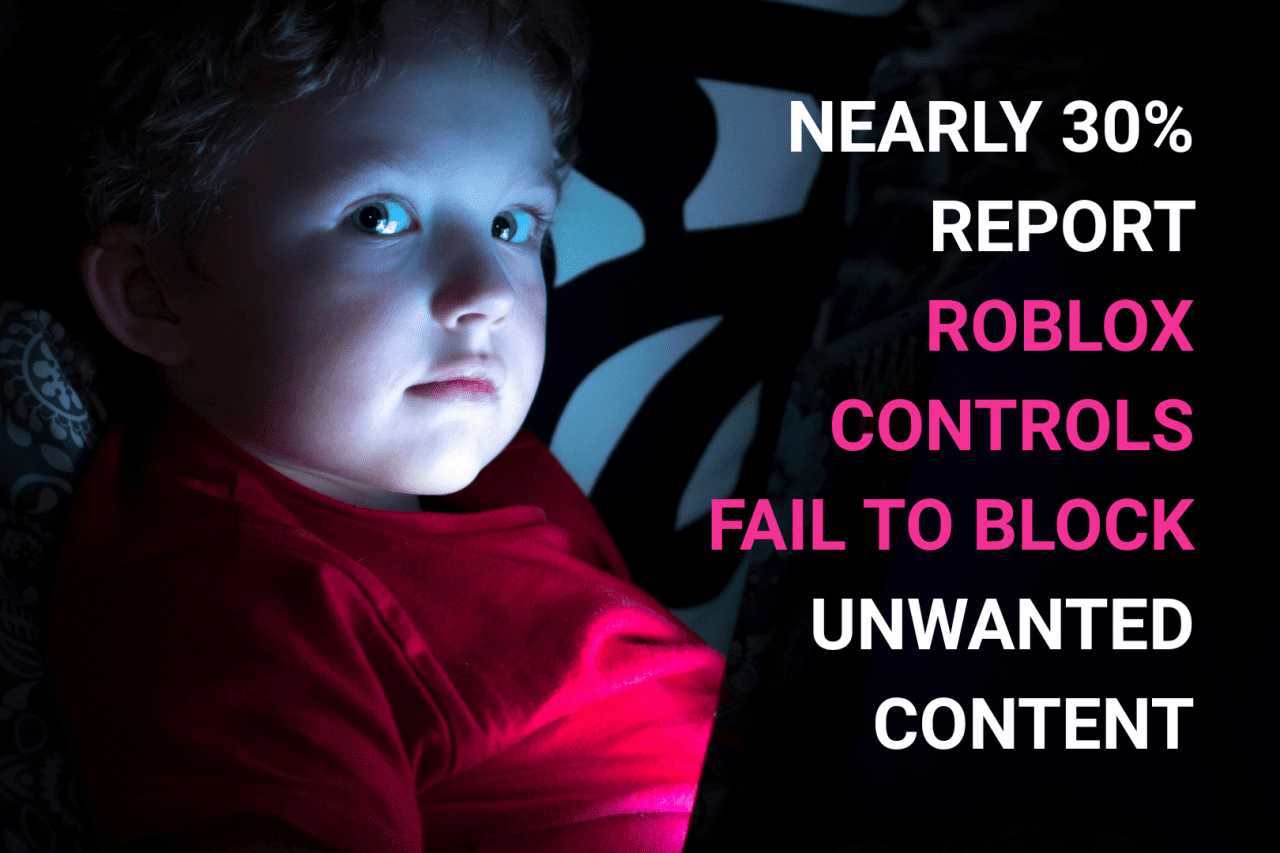
- 29% of parents or guardians have discovered content or interactions on Roblox that they thought parental controls should have blocked.
- 47% of parents or guardians have not enabled Account Restrictions, despite this being one of the most comprehensive safety features.
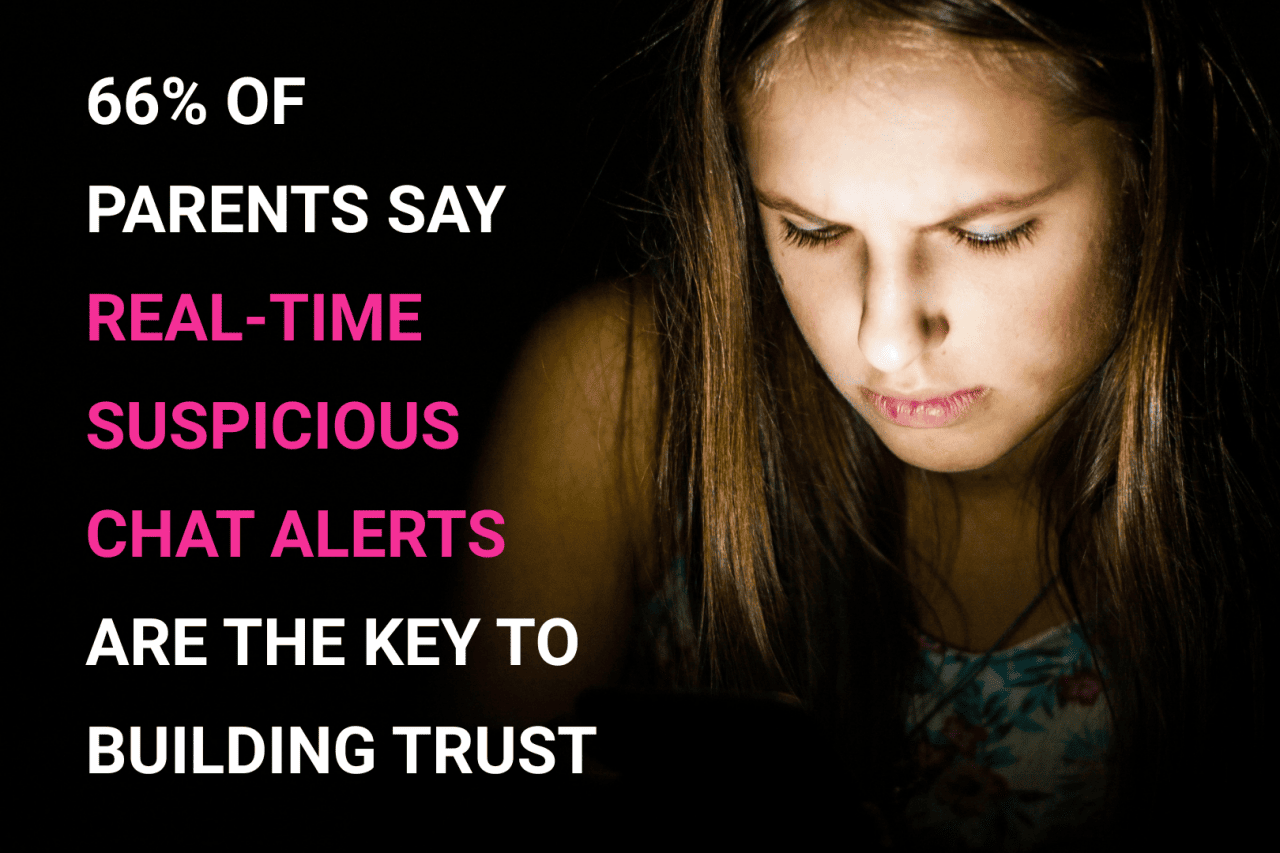
- 66% of parents or guardians say real-time suspicion chat alerts would most improve their confidence in the platform.
- 36% of parents or guardians either do not use Robloxâs parental controls or are not aware of these controls.
- 23% of mothers never review or adjust their childâs Roblox parental controls.
- 22% of Millennial parents or guardians have not learned about Robloxâs parental controls.
In recent years, Roblox has rolled out additional safety changes aimed at younger users, including stricter default communication settings and expanded tools for parents. Roblox has also announced age-estimation and verification efforts tied to certain communication features. Even with these updates, many parents still report uncertainty about whether safeguards consistently reduce real-world risk, especially around chat, user interactions, and exposure to inappropriate content.Â
A Case for Women
This new study captures that tension clearly. While many parents say they use parental controls, a substantial portion still feel uneasy about what their children may encounter on the platform. The findings suggest that parental controls, as currently understood and applied, do not always translate into confidence, particularly when protections depend on awareness, correct configuration, and ongoing oversight.
These findings reinforce the growing legal scrutiny surrounding Roblox and help explain why families are increasingly turning to Roblox lawsuits to hold the platform accountable. The organization argues that parental controls alone are not a substitute for stronger platform-level protections and clearer accountability when children are harmed online.
At the same time, broader scrutiny around Roblox and child safety continues to intensify. In Louisiana, the stateâs Attorney General has sued Roblox, accusing it of failing to enforce child safety protections and enabling exploitative content. (See CNNâs coverage: Louisiana sues Roblox over child protection.) Floridaâs Attorney General has also recently issued criminal subpoenas against the platform, stating that itâs a breeding ground for child predators.
A Case for Women
Meanwhile, journalist Chris Hansen, known for his work exposing online predators, recently announced a new documentary in collaboration with law enforcement and advocacy groups investigating Robloxâs handling of child safety.
Confidence in Controls Is Far From Universal
According to the survey, 61% of parents said they believe Robloxâs parental controls are sufficient to prevent their child from being contacted by a potential predator. At the same time, nearly four in ten parents remain unconvinced or unsure that those tools provide that level of protection.
The split highlights a key tension. Parental controls are widely used, yet they do not inspire consistent confidence across households. For many families, turning on safeguards does not fully resolve safety concerns.
A Case for Women
Nearly One in Three Parents Say Controls Failed to Block Content
The data also points to gaps between expectations and experience. Thirty percent of parents reported encountering content or interactions they believed parental controls should have blocked.
For those families, the issue was not whether controls existed, but whether they worked as expected. The finding suggests that some parents view current safeguards as incomplete, particularly when it comes to filtering interactions or material they consider inappropriate.
Stronger Safety Settings Often Go Unused
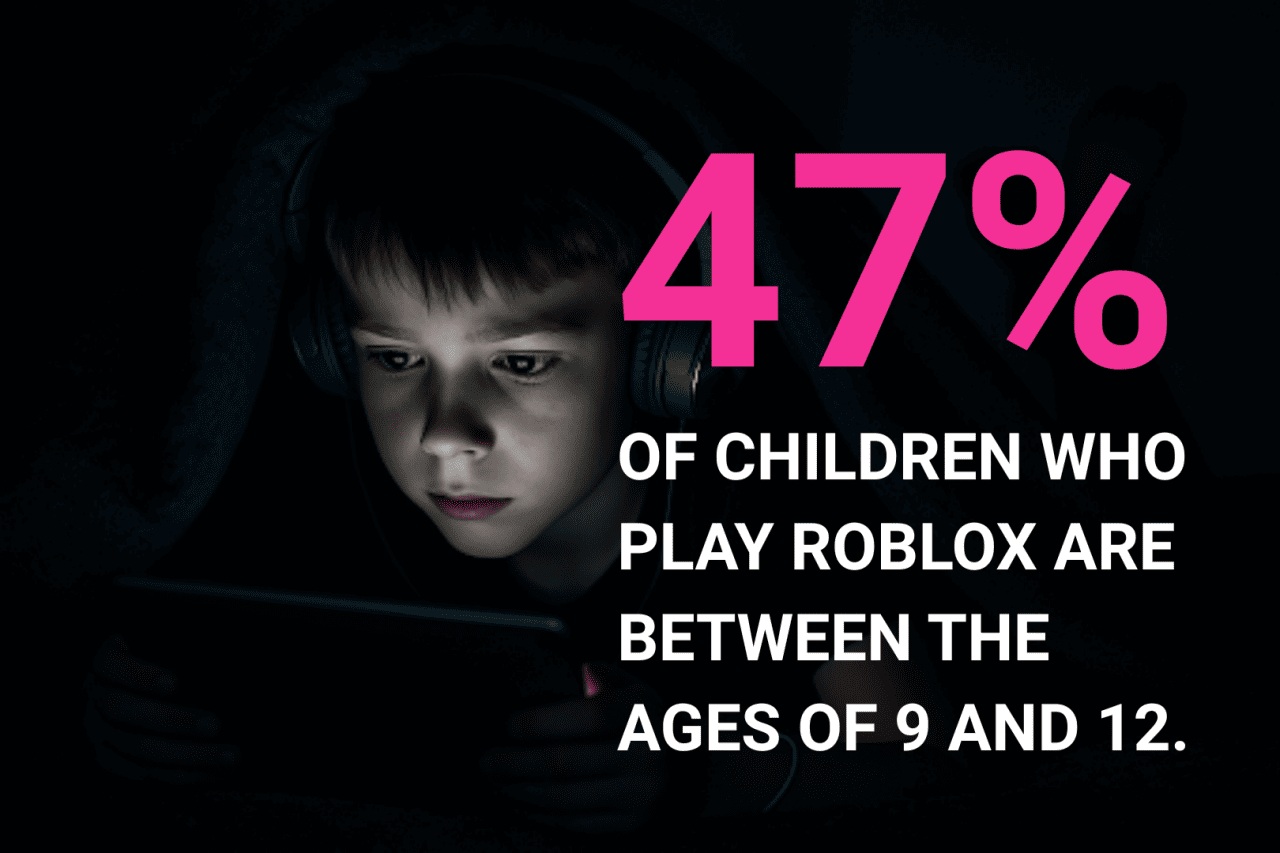
Roblox offers a restrictive safety option known as Account Restrictions. The setting is designed to narrow what kids can access and who they can interact with, but many parents either donât know it exists or arenât confident theyâve configured it correctly.. Despite its role as one of the platformâs strongest protections, the study found that 47% of parents have not enabled this setting.
The figure points to a disconnect between the availability of safety tools and their actual use. Whether driven by a lack of awareness or uncertainty about how settings function, nearly half of parents are leaving the most comprehensive controls turned off.
A Case for Women
Parents Want Real-Time Warnings, Not Just Settings
When asked what would most improve confidence in platform safety, parents consistently pointed to proactive oversight. 66% said real-time alerts for suspicious chat activity would make them feel safer.
The response suggests that static settings alone may not meet parental expectations. Many families appear to want immediate visibility into potential risks, rather than relying solely on controls configured in advance.
Why These Findings Matter
Taken together, the data paints a clear picture. A majority of parents trust parental controls, yet a sizable minority do not. Nearly one in three reports seeing content they expected to be blocked. Almost half have not enabled the strongest available safety settings. And two-thirds want tools that offer real-time insight into their childâs interactions.
These patterns help explain why some families are questioning whether parental controls alone are sufficient. The organization argues that while such tools are often cited as evidence of safety, parents report that they do not consistently reduce risk in practice.
More broadly, the findings reflect a shift in how families evaluate online safety. Parents appear less focused on whether controls exist and more concerned with whether those tools provide clarity, reliability, and meaningful protection as children spend more time in interactive digital environments.
Summary
The data points to a clear gap between how parental controls are presented and how they function in practice. Nearly half of parents surveyed (47%) have not enabled Robloxâs âAccount Restrictions,â one of the platformâs most comprehensive safety settings, while nearly one in three report encountering content they believed should have been blocked. Together, these findings suggest that many families may be relying on safeguards that do not consistently provide the level of protection they expect.
This disconnect helps explain why more parents are seeking clarity around their legal options when children are exposed to harm on gaming platforms like Roblox. The organization works with families to understand whether platform safeguards were sufficient, how failures may have occurred, and what accountability may look like when parental controls fall short.
The broader takeaway is not that parental controls are irrelevant, but that they are often misunderstood, inconsistently applied, and limited in scope. As interactive online environments continue to evolve, parents are increasingly looking beyond settings alone, turning to trusted legal advocacy organizations for guidance, answers, and support when safety tools fail to prevent harm.
If youâre a parent and believe your child may have experienced sexual abuse or predatory behavior through Roblox, A Case for Women offers a confidential intake questionnaire to help families understand whether they may have a claim and what next steps could look like.
Methodology
The findings are based on a survey conducted via Pollfish in December 2025. The survey included 1,000 U.S parents of children who actively use Roblox and asked respondents about their awareness and use of parental control features, as well as their perceptions of safety risks on the platform.
Questions focused on areas including in-game communication, user interactions, content exposure, and overall confidence in the platformâs ability to protect children. Responses reflect parental sentiment rather than technical audits of the platformâs tools.
This story was produced by A Case for Women and reviewed and distributed by Stacker.