
AC Matthews Roofing & Exteriors Shares Winter Roof Warning Signs
Towson, United States – March 2, 2026 / Gauge Digital Media /
AC Matthews, Roofing & Exteriors Advises Maryland Homeowners on Identifying and Addressing Snow and Ice Roof Damage
Experienced roofing contractor outlines winter warning signs and when to seek professional help
Winter weather in Maryland may fluctuate from year to year, but snow and ice consistently present risks to residential roofing systems. Even moderate snowfall or short-lived ice events can expose hidden weaknesses, leading to leaks, insulation damage, and costly repairs if left unaddressed. Because Maryland frequently experiences freeze-thaw cycles, roof damage may not become apparent until weeks after winter weather has passed.
AC Matthews, Roofing & Exteriors is helping homeowners recognize early signs of winter-related roof damage and understand when professional intervention is necessary to prevent recurring issues.
How Snow and Ice Impact Maryland Roofs
Maryland’s winter climate is characterized by repeated shifts between freezing and above-freezing temperatures. These temperature fluctuations accelerate wear on roofing materials. When snow accumulates on a roof, it adds weight and structural stress. Although properly installed roofs are engineered to handle expected snow loads, aging materials, deteriorated flashing, or inadequate insulation can make a roof more vulnerable.
As snow melts during warmer daytime hours, water travels along the roof surface. When temperatures drop overnight, that water refreezes and expands. This expansion forces moisture into small cracks, seams, and nail penetrations. Over time, repeated freeze-thaw cycles loosen shingles, weaken sealants, and reduce the roof’s ability to keep water out. Homes with complex rooflines, valleys, or older construction are particularly susceptible to this type of damage.
Common Types of Winter Roof Damage
Winter conditions can affect multiple components of a roofing system, and some damage may remain hidden until interior symptoms appear.
Shingle Damage
Ice can lift shingles, break adhesive seals, and cause cracking or granule loss. Compromised shingles allow moisture to penetrate the roof deck.
Flashing Damage
Flashing around chimneys, skylights, and vents is especially vulnerable to ice expansion. Bent or separated flashing creates direct entry points for water intrusion.
Gutter Damage
Ice accumulation can strain gutters and downspouts, causing them to pull away from the fascia or become blocked. When water cannot drain properly, it may back up beneath shingles or spill over onto siding and foundations.
If not addressed promptly, these issues can lead to insulation damage, wood rot, mold growth, and interior water staining.
The Risk of Ice Dams
Ice dams are among the most destructive winter roofing issues for Maryland homes. They form when heat escapes from the home and warms sections of the roof, melting snow. As meltwater flows downward and reaches colder roof edges, it refreezes and forms a ridge of ice.
Once an ice dam forms, additional melting snow has nowhere to drain. Water becomes trapped and is forced beneath shingles and into the roof structure. The result can include ceiling stains, warped drywall, damaged insulation, and mold growth.
Ice dams are commonly associated with inadequate attic insulation or poor ventilation. Attempting to remove ice without proper equipment can damage roofing materials and create safety hazards. Professional evaluation ensures the underlying causes are addressed rather than temporarily concealed.
Warning Signs of Snow and Ice Damage
Roof damage caused by winter weather is not always immediately visible. Interior warning signs may include:
-
Water stains on ceilings or walls
-
Peeling or bubbling paint
-
Damp or compressed attic insulation
-
Musty odors in upper-level rooms
-
Mold or mildew near ceilings or vents
Exterior signs may include:
-
Missing, cracked, or lifted shingles
-
Damaged flashing around roof penetrations
-
Sagging areas along the roofline
-
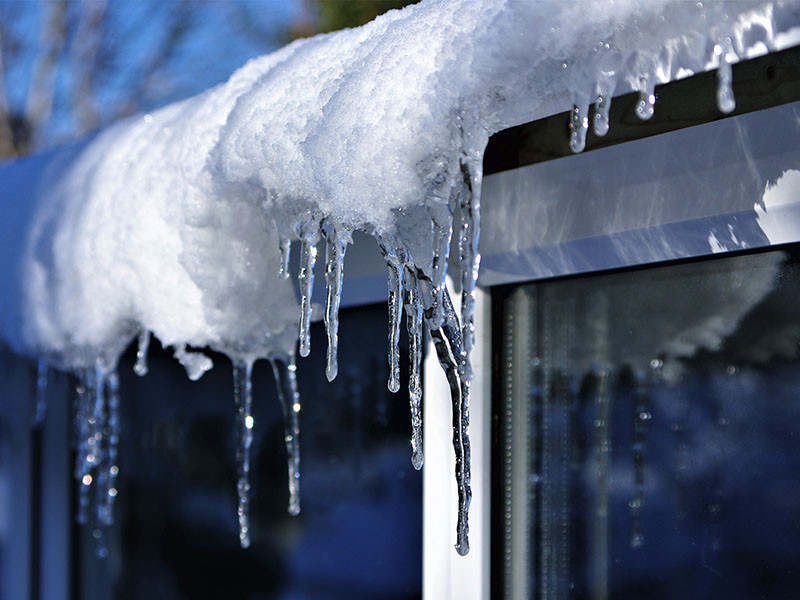
Excessive icicle formation
-
Gutters pulling away from the fascia
Even decorative-looking icicles can signal poor drainage and heat loss. A professional inspection can determine whether snow or ice damage is present and identify necessary repairs.
When to Contact a Roofing Contractor
Certain winter-related issues require immediate attention. Active roof leaks should never be ignored, as even minor moisture intrusion can damage insulation, drywall, and electrical systems. Structural warning signs—such as sagging roof sections, unusual cracking sounds, or difficulty opening doors and windows—may indicate excessive load stress and require prompt evaluation.
Blocked drainage caused by ice buildup also warrants professional intervention. Attempting to remove ice without proper training can lead to personal injury and additional roof damage. Engaging a qualified roofing contractor helps prevent further complications and protects the home’s structural integrity.
The Risks of DIY Winter Roof Repairs
After winter storms, some homeowners consider temporary or do-it-yourself repairs. However, icy roof surfaces present serious safety hazards. Slips and falls are common during winter conditions, and improper repair methods may void warranties or complicate insurance claims.
Using incorrect materials or sealants may provide short-term relief but often fail during subsequent freeze-thaw cycles. Professional roofing contractors understand how winter weather affects different materials and apply industry-approved repair methods designed to withstand Maryland’s climate.
Preventing Future Snow and Ice Damage
Proactive maintenance significantly reduces the risk of winter roof problems. Improving attic insulation and ventilation helps regulate roof temperature and minimize uneven snow melt. Routine roof inspections allow minor issues—such as loose shingles or deteriorated flashing—to be addressed before winter weather intensifies them.
Gutter maintenance is also essential. Clearing debris before winter, ensuring downspouts remain unobstructed, and repairing sagging sections help prevent water backup and ice dam formation. In some cases, upgrading aging roofing materials or installing enhanced underlayment and flashing systems may provide added protection against future winter conditions.
Comprehensive Roofing Support for Maryland Homes
Snow and ice can compromise a roof long after visible winter weather has passed. Addressing damage requires more than surface repairs—it involves evaluating how insulation, ventilation, drainage, and exterior materials work together to protect the home.
AC Matthews, Roofing & Exteriors takes a comprehensive approach to winter roof evaluations and repairs. Through detailed inspections and proven repair methods, the company helps Maryland homeowners identify both visible and hidden damage while implementing solutions designed for long-term performance.
Homeowners concerned about snow or ice-related roof damage are encouraged to contact AC Matthews, Roofing & Exteriors to schedule a professional evaluation and ensure their property remains protected through every season.

Contact Information:
AC Matthews, Roofing & Exteriors
404 W Pennsylvania Ave, Towson, MD 21204
Towson, MD 21204
United States
Matthew Arvin
(410) 405-7676
https://acmatthews.com/towson/


Original Source: https://acmatthews.com/blog/roof-damage-from-snow-and-ice-in-maryland-when-to-call-a-roofing-contractor/
